



Protecting timber on site: the key role of self-adhesive membranes in a project in Montevideo
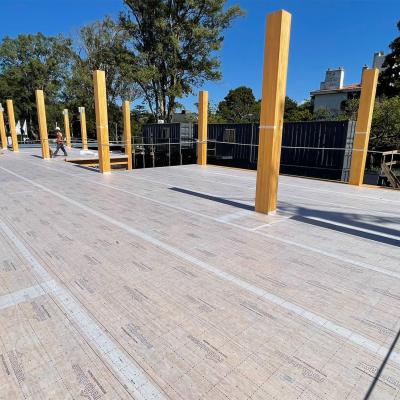
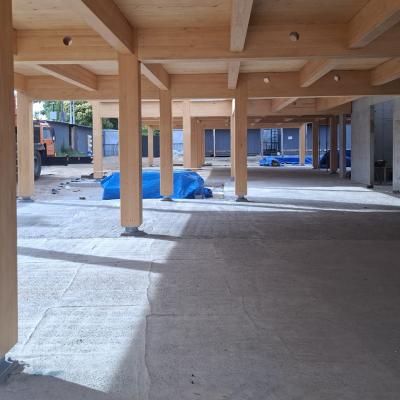
In the construction of timber buildings, moisture management – and more broadly, the protection of timber on site – represents a critical variable. The performance of a CLT system depends not only on design and material quality, but also on how well the elements are protected during transport, storage and installation.
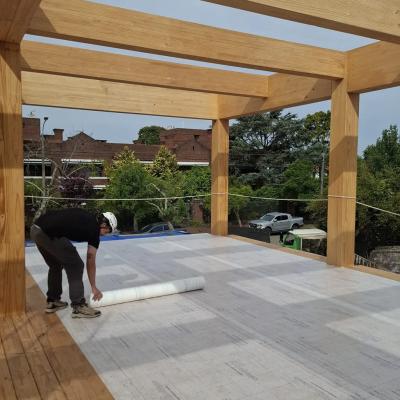
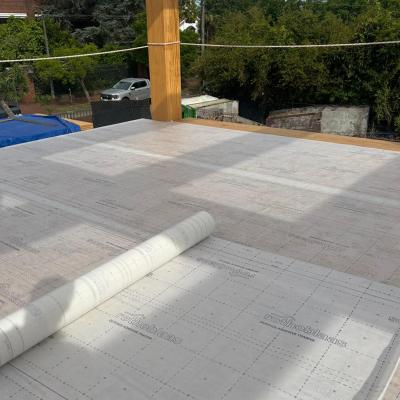
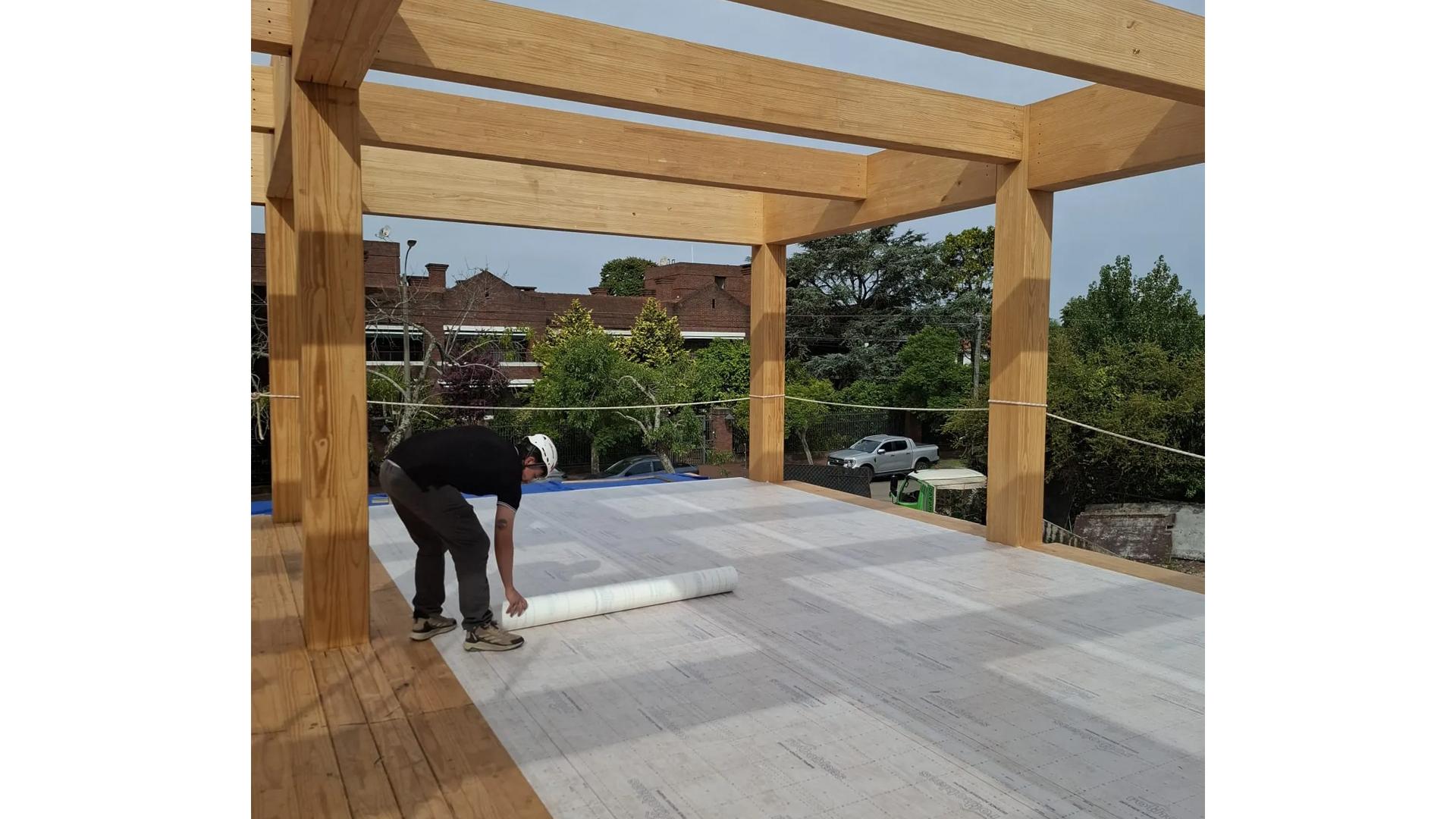
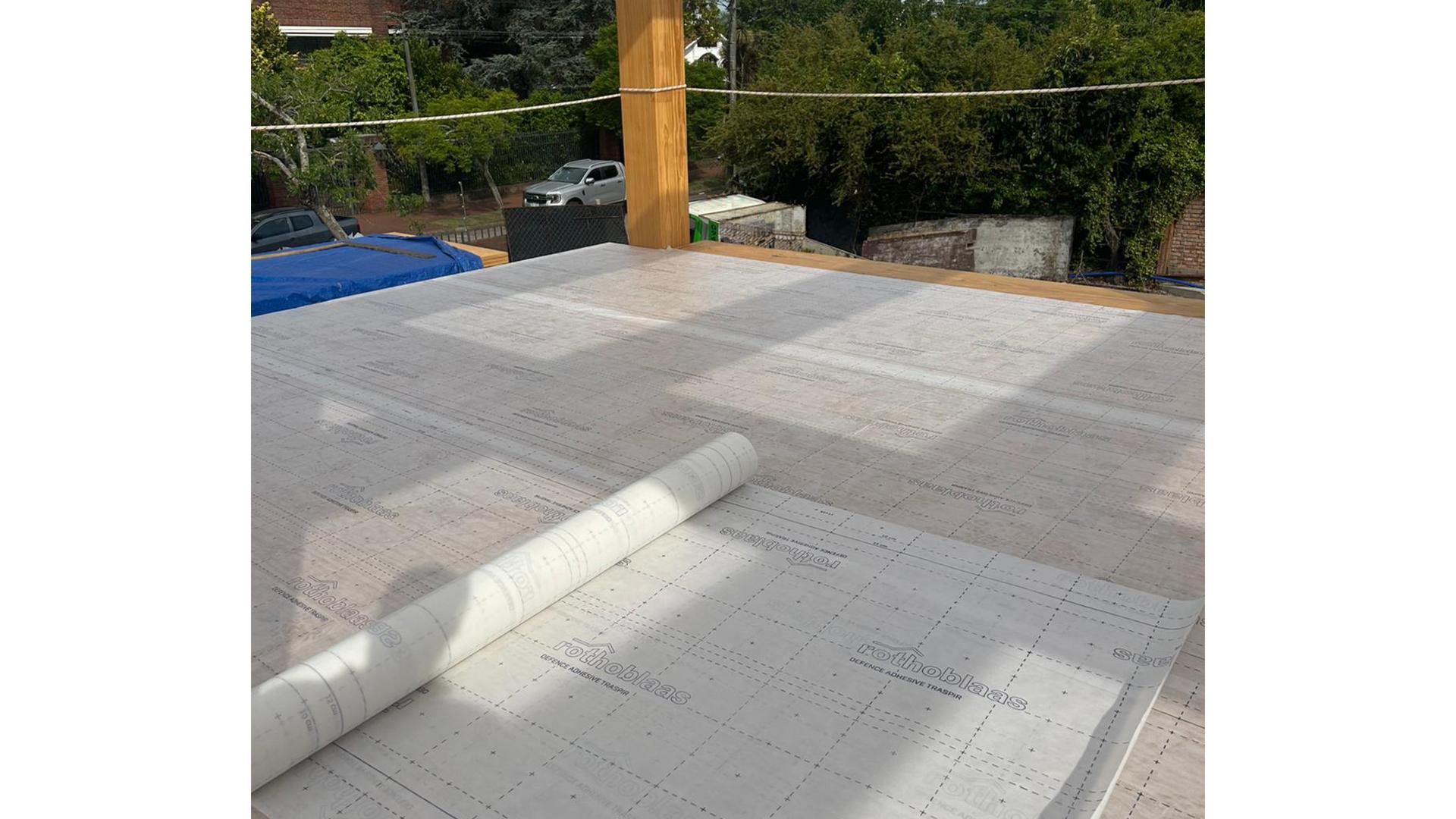
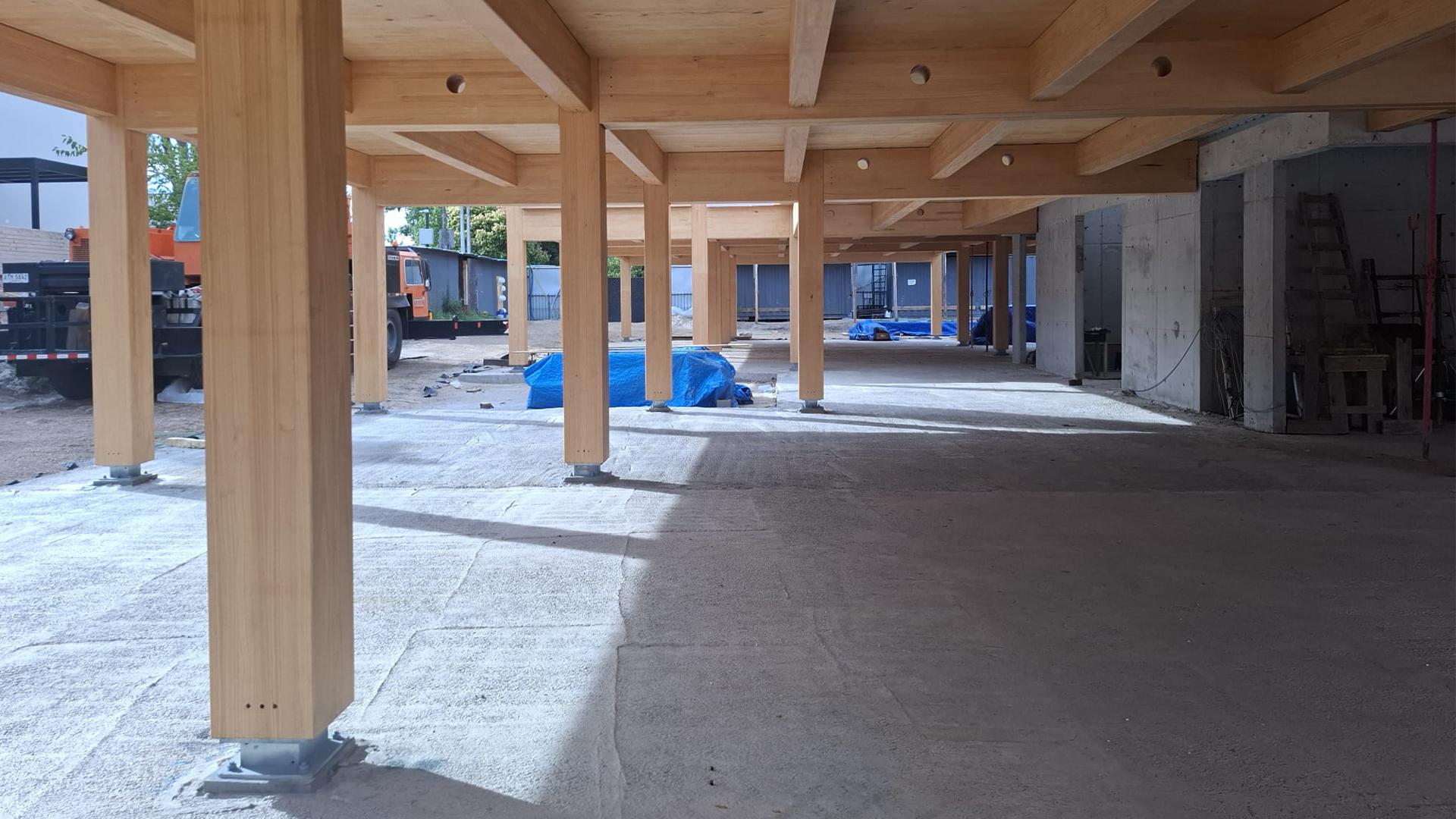
An office building currently under construction in Montevideo addresses this issue through an integrated approach. A simple yet rigorous strategy: reducing the exposure time of structural elements and directly protecting timber surfaces. How? By applying the breathable self-adhesive membrane DEFENCE ADHESIVE TRASPIR EVO.
Self-adhesive waterproofing membranes: why breathability is crucial in timber construction
Exposure to weather during construction can significantly compromise the performance of structural timber. As a hygroscopic material, timber absorbs moisture, which may lead to dimensional changes, surface degradation and, in the most critical cases, a reduction in the durability of the entire building system. Accordingly, Mass Timber projects must incorporate an effective protection strategy from the earliest stages. At the construction site in the Uruguayan capital, DEFENCE ADHESIVE TRASPIR EVO was applied over an area of approximately 2,000 m² – a solution designed to provide temporary protection without interfering with installation activities.
DEFENCE ADHESIVE TRASPIR EVO: protection and breathability in a single system
DEFENCE ADHESIVE TRASPIR EVO is a monolithic breathable self-adhesive membrane designed to provide temporary protection for timber walls and floors during transport and on-site operations. Its effectiveness lies in the combination of two key technical properties:
water tightness, preventing direct water ingress;
high breathability, allowing any residual moisture within the timber elements to dry.
The continuous, homogeneous monolithic functional layer ensures reliable protection, even with prolonged exposure, lasting up to 14 weeks. This provides real flexibility in managing on-site schedules, without needing to speed up installation at the expense of quality.
In terms of application, the membrane is fully self-adhesive and requires no mechanical fastenings. This reduces installation time and limits the risk of discontinuities in the protective layer. In addition, its semi-transparent structure allows markings and fastening holes to remain clearly visible, helping to avoid errors during assembly.
Once applied, the membrane does not interfere with handling operations or obscure the surface. The protection thus becomes an integral part of the construction process.
Fastening systems: structural continuity and design flexibility
Alongside surface protection, the project incorporates a range of structural fastening systems, selected according to specific structural and construction requirements.
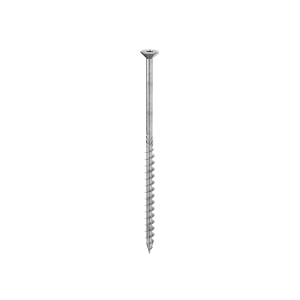
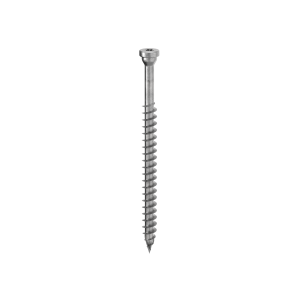
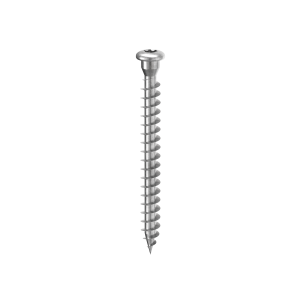
To begin with, HBS screws: used for timber-to-timber structural connections, these products ensure high mechanical performance.
The HBS PLATE version allows for use with metal plates, optimising load distribution and improving the load-bearing capacity of the connection.
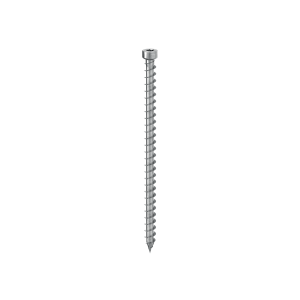
Full thread VGZ screws are designed for structural applications requiring high strength and precision, and are particularly suited to solid elements and connections subject to complex loads.
Finally, LBS screws are used in timber-to-metal joints where high shear resistance is required.
In this context, particular attention must be paid to timber protection in timber-to-steel connections. Steel and timber, in fact, have very different moisture expansion coefficients. As a result, in the event of swelling (timber expansion due to moisture), the additional pressure is transferred to the connector, increasing the load it must bear.
Different systems, therefore, are used in combination according to a common principle: adapting connections to each specific design condition.
Acoustic performance: integration of ALADIN and PIANO systems
The design of the new building in Montevideo also incorporates ALADIN and PIANO acoustic systems. These solutions are designed to improve vibration behaviour and acoustic comfort within indoor environments. Both systems address sound transmission between structural elements, helping to reduce structure-borne noise. When integrated during construction, these solutions enable more effective control of building performance compared with measures implemented post-installation.
In line with this approach, a soundproof flooring system is also planned, completing the building’s soundproofing strategy and further enhancing overall performance.
In a construction system where precision, timelines and performance must go hand in hand, managing environmental conditions becomes a key technical factor. Protecting timber with breathable self-adhesive membranes means safeguarding the project itself – reducing the need for corrective measures and ensuring the final quality of the building.
Discover all our solutions for on-site timber protection, or get in touch with our consultants for tailored support.
All rights reserved