



Building in Antarctica: timber prefabrication and teamwork for the new Henryk Arctowski Antarctic Station project
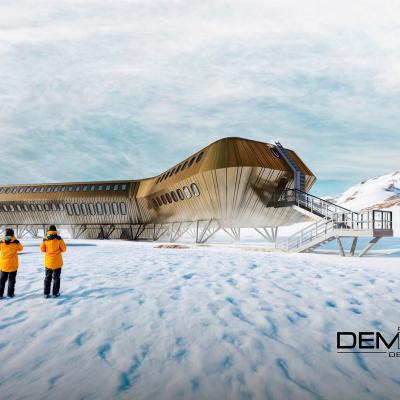
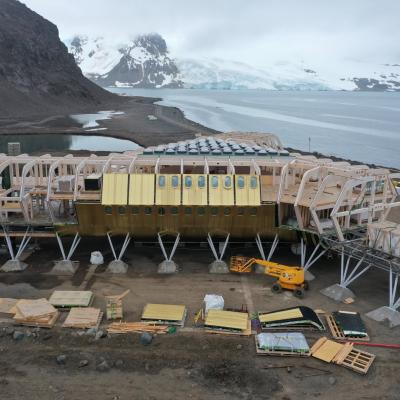
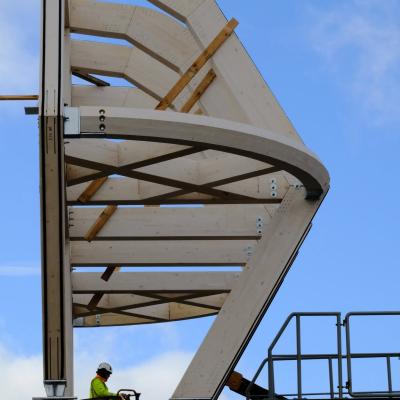
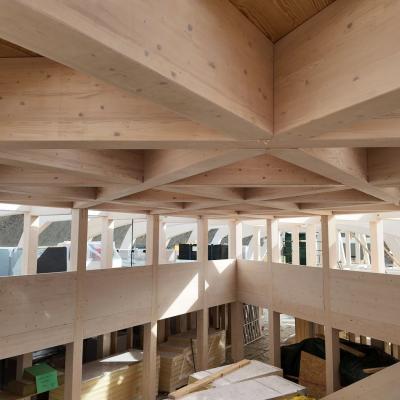
Arctowski Polish Antarctic Station, visual by DEMIURG (station’s designers)
On most construction sites, a missing component can be delivered within a few days. Not in Antarctica. On King George Island, in the South Shetlands, more than 14,000 kilometres from Poland, the construction of the new Polish Henryk Arctowski Antarctic Station presented operating conditions radically different from those encountered on conventional construction sites. Here, a single planning error can jeopardise an entire working season. The modernisation of the base, commissioned by the Institute of Biochemistry and Biophysics of the Polish Academy of Sciences, included a new main building of approximately 1,500 m², as well as a series of support buildings, energy infrastructure, water networks and technical systems designed to keep the station operational for decades to come.
In an environment like this, the challenges are many: on the one hand, designing buildings capable of withstanding extreme environmental conditions. On the other, ensuring they can be transported, assembled and kept operational in one of the most isolated places on the planet. In this context, timber prefabrication has played a strategic role: reducing on-site work, simplifying logistics and, at the same time, ensuring high quality standards.
Timber prefabrication and modularity to reduce uncertainty
The construction of the new station, a vital base for Polish researchers at the southern reaches of the globe, was developed around a strategy strongly focused on prefabrication and modularity. A large proportion of the structural elements were manufactured off site and subsequently transported to Antarctica. The aim was to minimise the work required on site, reducing both time and activities in an environment where weather conditions can bring operations to an abrupt halt, while also simplifying installation. The same approach was adopted for other infrastructure within the complex, including the station's new lighthouse.
Durability of timber and connections against wind, ice, salinity and moisture
Antarctica puts every material to a constant test. Strong winds, high humidity, sea salt, snow, ice and airborne particles all have a direct impact on the durability of structures and connection systems. Perceived temperatures can reach particularly severe levels, while exposure to the elements is constant. For this reason, every element plays a crucial role. The choice of façades, fastening systems, surface protection and construction details must take into account not only initial performance, but also how the building will perform throughout its entire life cycle. In an environment where maintenance work can require months of planning, reliability and durability become essential design criteria. The shape of the main building also reflects this approach. The geometry of the Henryk Arctowski Station was designed to limit snow accumulation and improve aerodynamic performance in relation to the prevailing winds, while the building itself was raised approximately three metres above ground level to allow snow, water and air currents to pass beneath the structure.
We explored the risk factors that determine the durability of fastening systems in greater detail in a previous article. Read it here: Timber screws: corrosion factors and durability
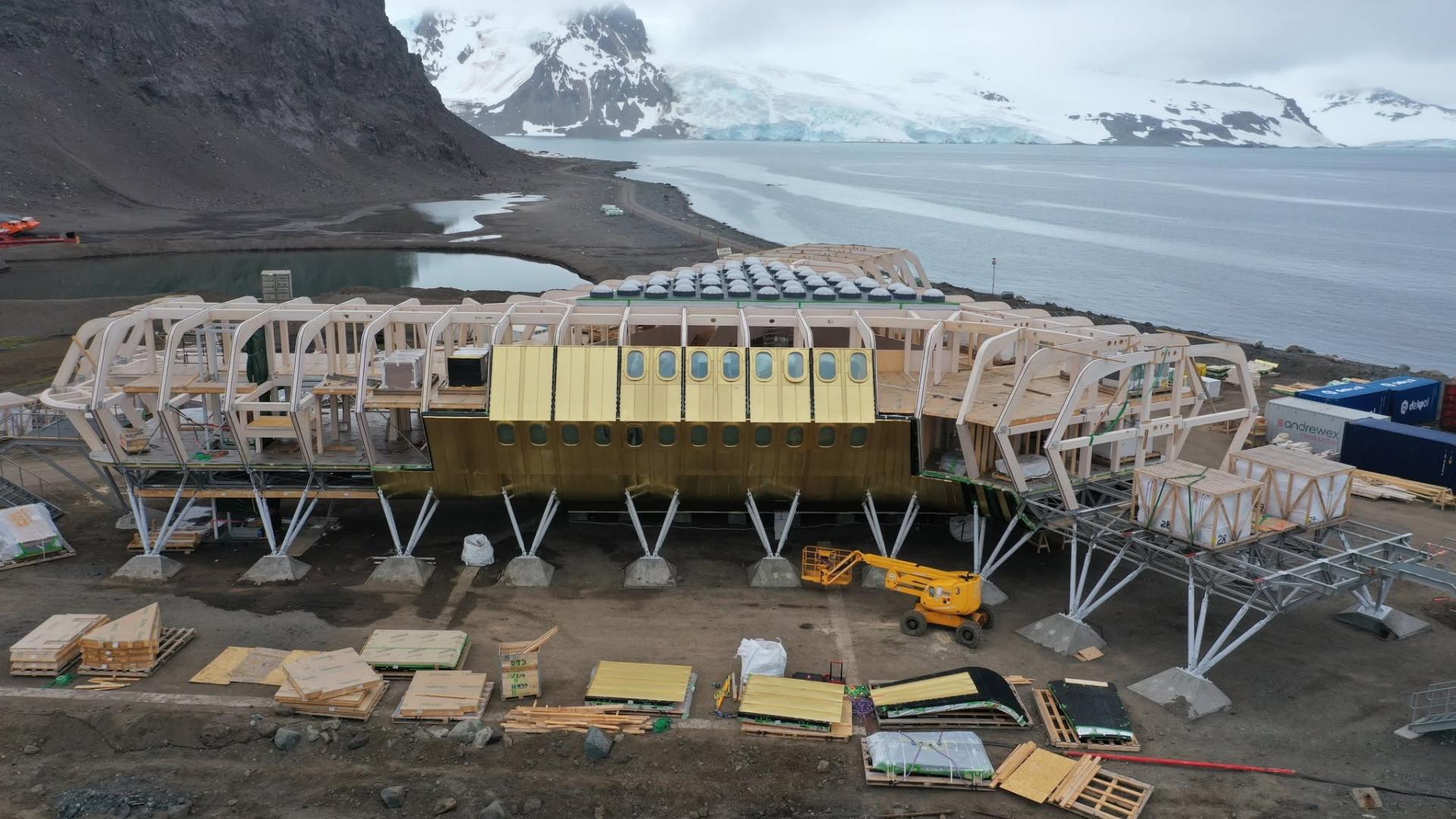
Arctowski Polish Antarctic Station, offical FB account
Fastening systems and structural connections in a highly complex operating environment
In a project characterised by such complex logistics and challenging climatic conditions, connections play a central role. Even more so when the project is based on timber prefabrication. Every panel or component must be capable of being transported, assembled and inspected under operating conditions that differ significantly from those of a conventional construction site. The use of reliable, easy-to-install fastening systems helps reduce the need for corrective work and improves control over assembly operations. Numerous Rothoblaas systems for structural fastening, along with installation accessories used throughout the different stages of the project, were employed in the construction of the station.
The main connections were made using high-performance structural screws such as VGS EVO, VGS, VGZ and TBS EVO, designed for structural timber applications subject to high loads. The use of different types of screws made it possible to accommodate a range of connection requirements, from the transfer of axial and shear forces to local reinforcement and connections at varying angles, while maintaining a high level of reliability during assembly.
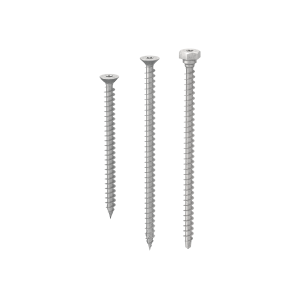
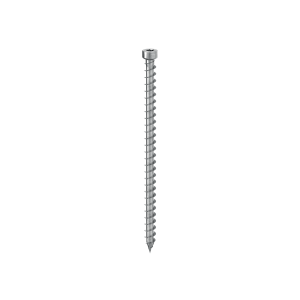
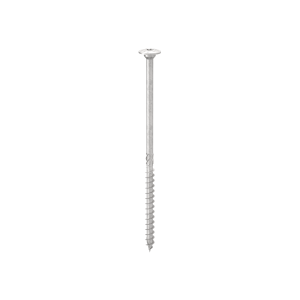
For steel-to-timber connections, systems such as HBS PLATE, the countersunk pan head screw specifically developed for use with metal plates, were used alongside components such as the KOS bolt and STA smooth dowel.
Chemical anchoring systems and installation accessories also played an equally important role. XEPOX was used in applications requiring epoxy adhesives for rigid connections with bonded-in rods, while tools and accessories such as GIRAFFE, GEKO, WASP and JIG VGZ 45° supported assembly operations and the installation of connections in accordance with the project specifications. In particular, JIG VGZ 45° allows VGZ screws to be positioned accurately at a 45° angle, a configuration frequently used in structural connections requiring high mechanical performance.
The fastening system was completed by solutions such as SBD self-drilling dowels for joints with steel or aluminium plates, as well as supporting components that helped maintain continuity between design, prefabrication and installation.
On a construction site where the schedule is constrained by just a few weeks of operations each year, and where corrective work can mean waiting months, the value of these systems lies as much in their mechanical performance as in their ease of installation. The ability to work with certified connections that can be installed in a controlled manner and are supported by comprehensive technical documentation helps reduce operational uncertainty and makes the entire construction process more predictable.
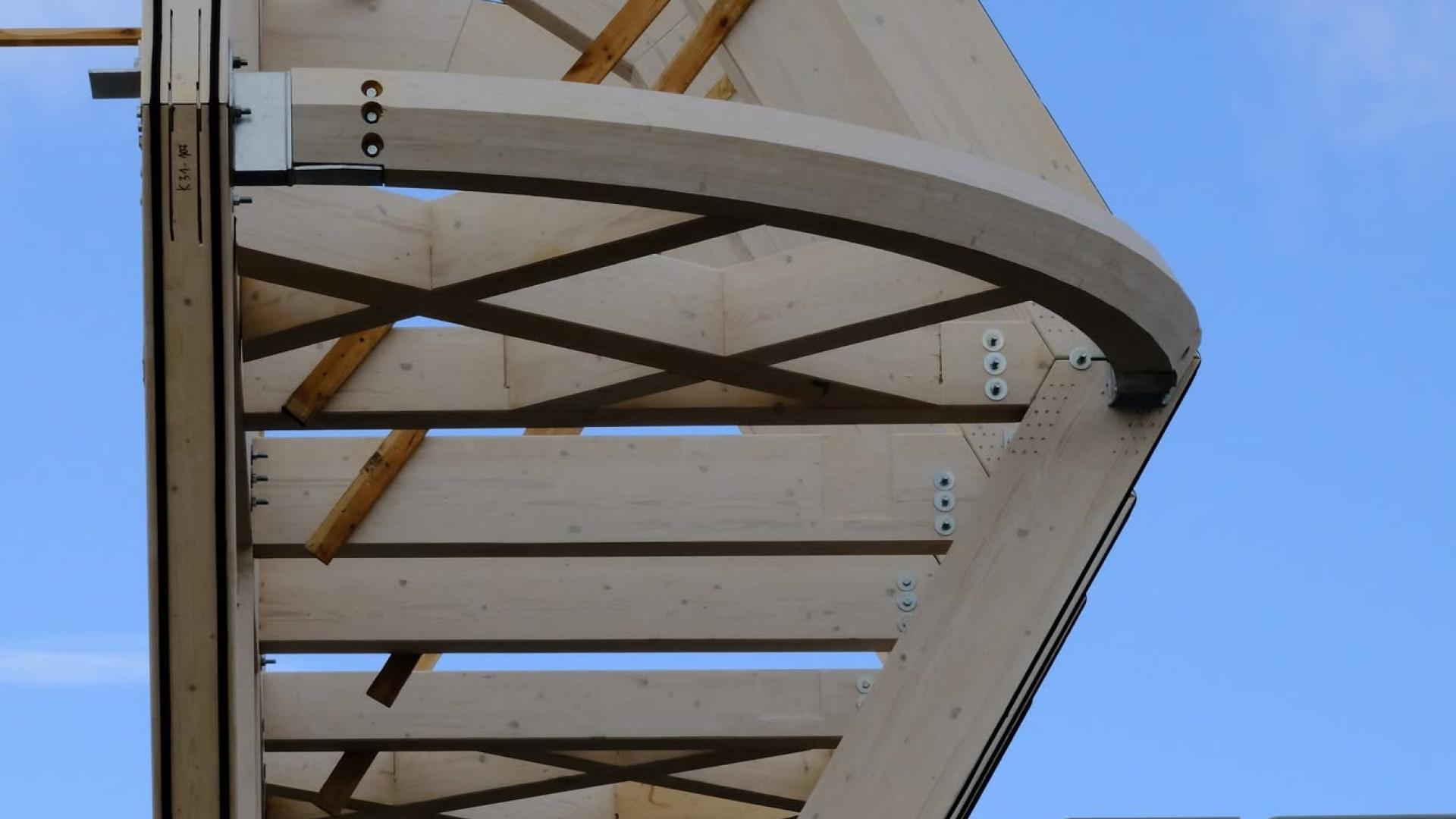
Arctowski Polish Antarctic Station, offical FB account
A scientific station, but also a place to live
Arctowski Station is more than just a research facility. It will soon become home to scientists and technicians who will live and work in isolation for weeks or months at a time. For this reason, the project goes beyond the functional requirements of scientific research. Alongside laboratories, technical areas and service rooms, the building also includes communal spaces, areas dedicated to well-being, a gym, a sauna and an indoor greenhouse. The building's design acknowledges an aspect that is often underestimated in infrastructure for extreme environments: the psychological well-being of the people who use it. The use of timber in the interior spaces also responds to this need. In contrast to an external envelope designed to withstand severe climatic conditions, the interiors favour materials that enhance the perceived quality of the spaces and improve living comfort.
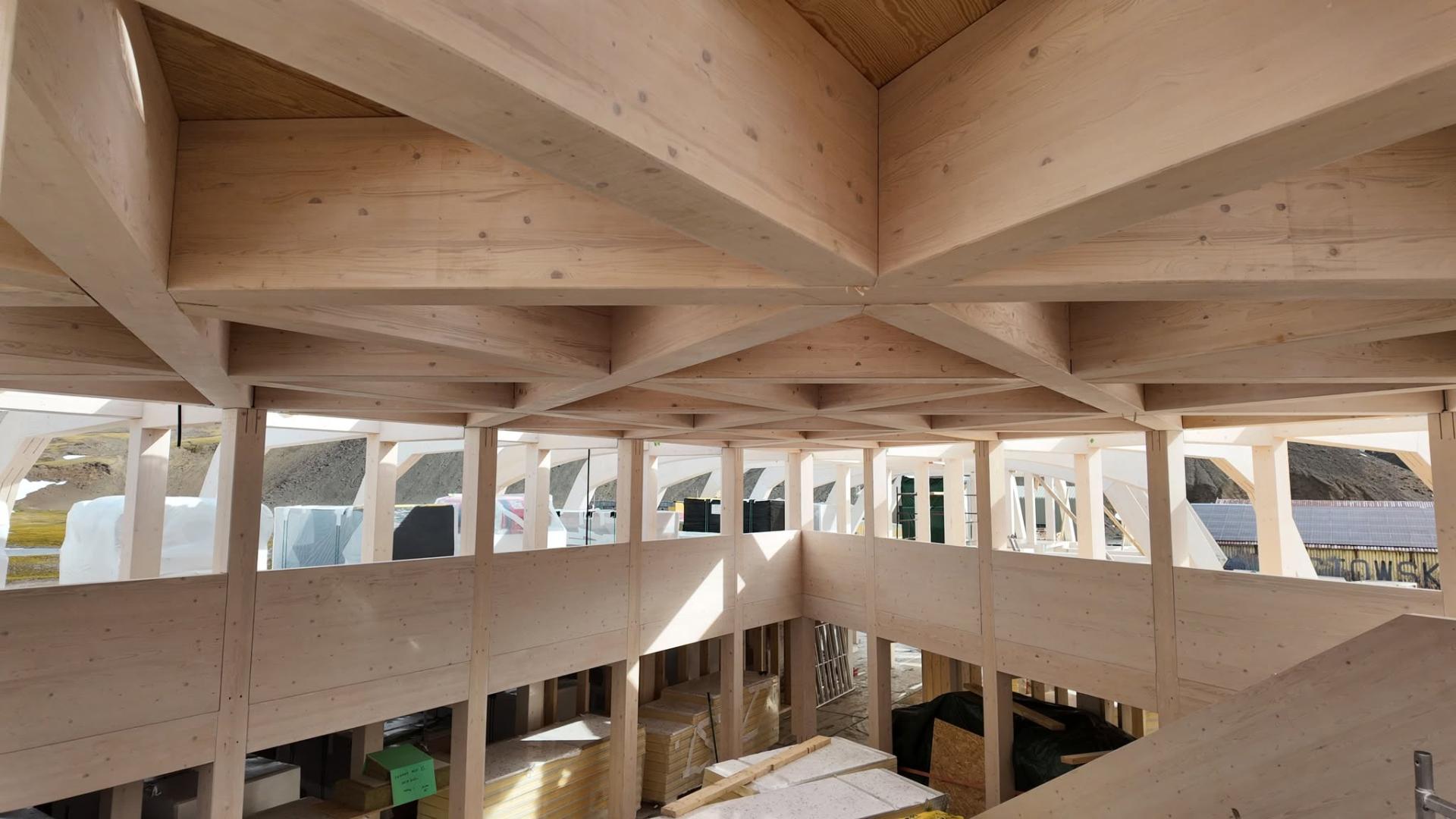
Arctowski Polish Antarctic Station, offical FB account
Building in Antarctica: design, logistics and durability
The new Henryk Arctowski Antarctic Station therefore provides an interesting example of how extreme conditions can reshape project priorities. Building in Antarctica means tackling challenges at every stage of the process: from building design through to transport, prefabrication and on-site assembly, in a context where climate, distance and the availability of resources impose particularly severe constraints. The quality of the project is therefore measured by its ability to integrate architecture, engineering, logistics and durability into a single decision-making process. It is this approach that enables a research station to operate all year round in one of the most challenging environments on the planet, demonstrating how modern timber construction in extreme environments can meet demanding requirements for reliability, efficiency and long-term durability.
Discover more about our fastening and connection solutions and their various applications on our official Rothoblaas website – materials for timber construction.
All rights reserved